Digital Twin Engineering
High-fidelity digital replicas of physical systems, environments, and infrastructure — enabling risk analysis, requirements validation, and operational planning before a single asset is committed in the field.
We treat digital twins as a rigorous analytical framework, not as a visualization gimmick. Every model is built to expose risk, validate requirements, and stress-test decisions before the cost of those decisions is paid in the real world.
What We Mean By "Digital Twin"
A digital twin is more than a 3D model. It is a structured, interactive representation of a real-world system — instrumented with the data, behavior, and constraints needed to answer operational questions. Argento's digital twins are built to four standards:
Geometric Fidelity
Survey-grade geometry of structures, terrain, and equipment — accurate to the level the analytical question demands.
Behavioral Fidelity
Physics, sensor models, communications, and human behavior modeled with operational plausibility, not theatrical effect.
Systems Fidelity
The twin reflects how systems and personnel actually interconnect — comms, sensors, chains of command, decision authority.
Data Fidelity
Live or historical data feeds (OSINT, telemetry, sensors) bind the twin to reality rather than leaving it as a sandbox abstraction.
Our Methodology
A four-phase approach grounded in operational analysis
Frame the Question
Define the operational decision the twin must support. Without a question to answer, a twin is just an expensive diorama.
Build to Fit
Construct geometry, systems, and data layers at the resolution needed for the question — no over-modeling, no under-modeling.
Stress & Probe
Run scenarios, vary parameters, and surface failure modes. The twin earns its keep by exposing risk before the operation does.
Validate & Decide
Tie findings back to requirements, communicate them in operational language, and deliver a defensible recommendation.
Use Cases
Where Argento applies digital twin methodology
Site Security & Risk Assessment
Replicate facilities, perimeters, and access patterns to identify gaps before adversaries do. Sensor coverage, response timelines, and chokepoint analysis all become measurable.
C4ISR Architecture Validation
Model communications networks, sensor placements, and analytical workflows to validate architectural decisions before procurement or deployment commitment.
Mission Rehearsal & Pre-Decisional Analysis
Walk through an operation in 3D before it happens. Surface coordination issues, timing conflicts, and assumptions that don't survive contact with reality.
Training & Scenario Development
Convert validated twins into training environments. The same model that proved out the plan can train the team that will execute it — closing the doctrine-to-rehearsal loop.
Requirements Validation
Stress-test written requirements against modeled operational reality. Identify unstated assumptions, missing dependencies, and gaps before contracting.
Capability Gap Analysis
Compare current-state and desired-state twins side-by-side. Quantify the delta in terms decision-makers can act on — capability, time, cost.
In Practice
The methodology is not theoretical. These are the projects our twins live in today — built on one model standard, so an asset authored once is the same asset in the engine, on the web, on a phone and on a printer.
Argentoverse — Product Twins
Every item in the Argentoverse store with a physical or in-game counterpart is one model held at real-world scale. The same master that ships in the game is delivered as a web preview, an augmented-reality placement on your phone, and a 3D-print file — with the original geometry protected.
argentoverse.comProject Argento — Training Environments
Our Unreal Engine 5 simulation is built from the same twin library: environments, equipment and items enter at engine scale and stay true to their real-world dimensions from concept art through the persistent world.
Project page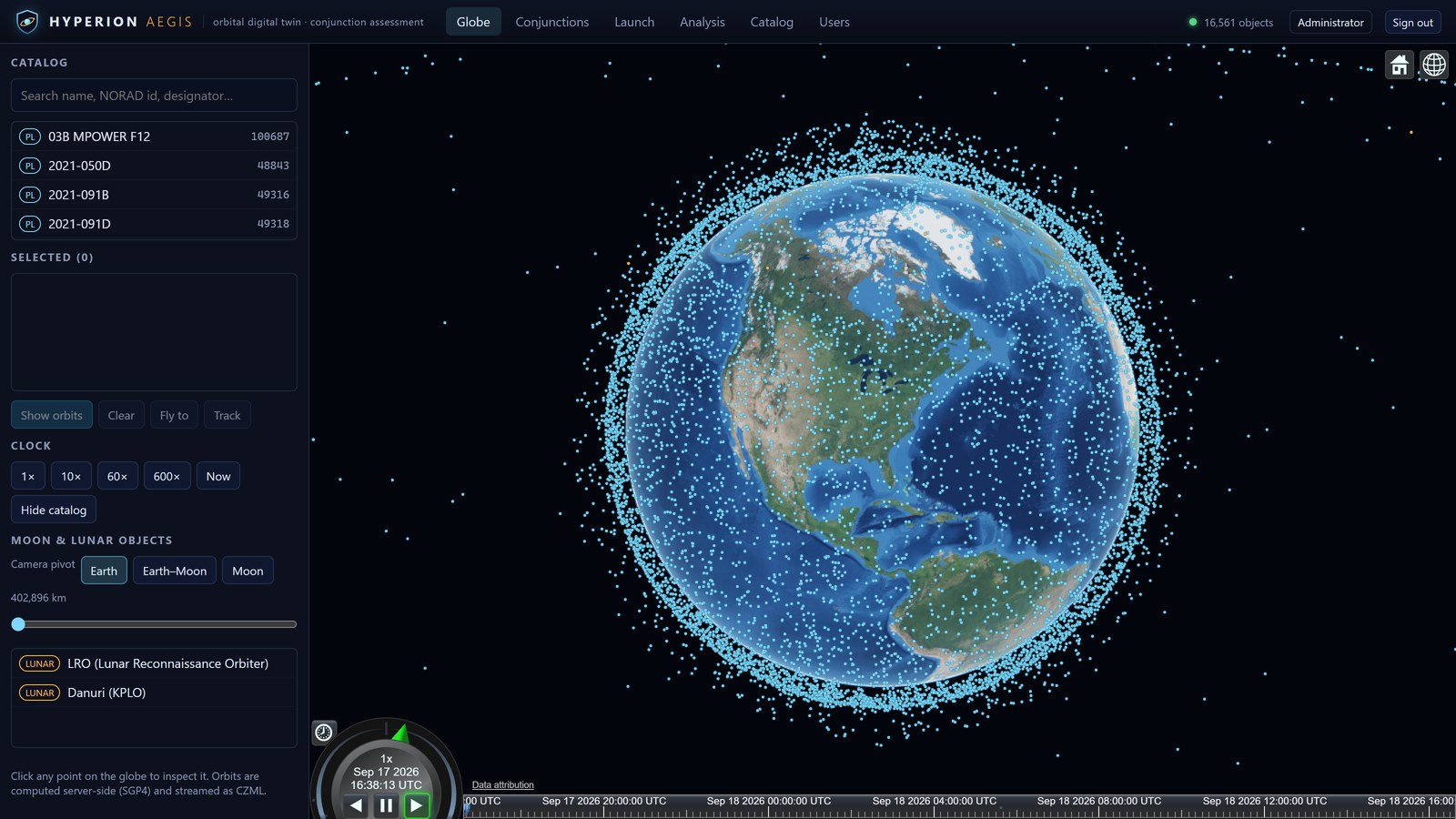

Hyperion Aegis
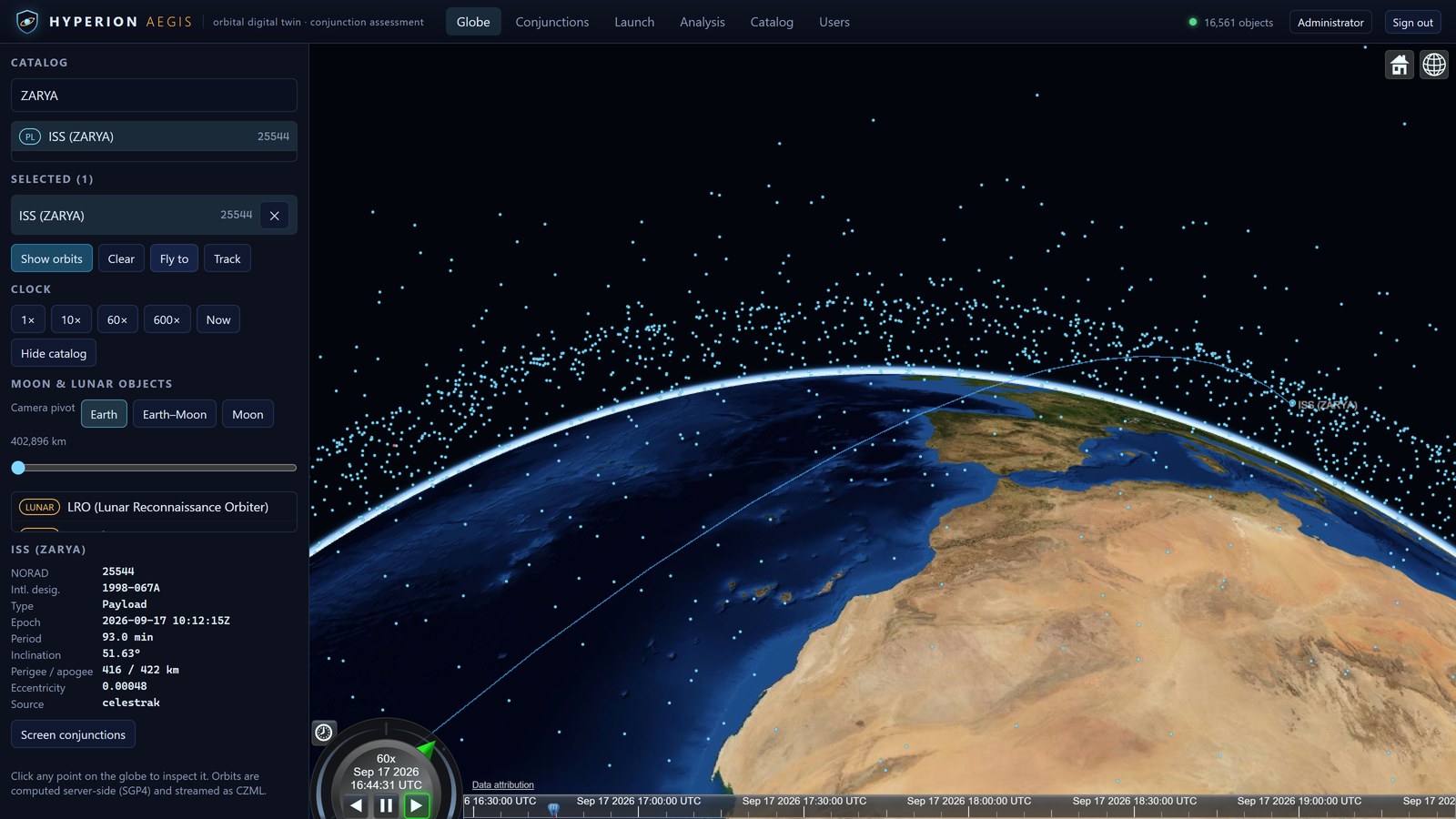
Our next Hyperion platform adopts the same twin standard — one master, one unit convention, one set of derived copies — so a twin authored for analysis renders on a 3D globe, inside Unreal Engine and in the browser without being rebuilt.
Capability statementWhy Argento
Three reasons our twins surface what others miss
Operators Building Operator Tools
Our team has stood watch in the environments we model. We know what gets glossed over in a written spec and what only becomes visible when a system is rendered in 3D.
Twin-to-Platform Continuity
The same engineering organization that builds our twins also builds Hyperion Securitas. Analytical findings translate directly into operational tooling without a vendor handoff.
Classified-Ready Workflows
Our toolchain runs on-premise. Data, models, and AI assessment never leave your environment — suitable for classified analysis and SCIF-adjacent operations.
Start a Digital Twin Engagement
Discuss a site, a system, or an operational question. We'll scope a twin sized to the decision — not the marketing brochure.