One world, and everything in it
Argento builds a connected game ecosystem: Argentoverse, the social hub every title plugs into, and Project Argento, the world it was built for. One account, one inventory, one economy — across a PC shooter, mobile games and the web.
The part that makes it ours is what the items are. An object in the Argentoverse is not a texture and a name in a database. It is a single model with a counterpart in the real world — the same geometry, at the same size, whether it is in your hands, on your screen, or on your shelf.
The premise
Most games are islands. You earn something, and it stays where you earned it. Argento is built the other way round: the player account, the inventory and the economy live outside any one title, in a service plane the games connect to.
That service plane is Argentoverse — a social hub in its own right, with profiles, friends, presence, activity, a shop and the launcher that installs and patches the games. Project Argento, our Unreal Engine 5 multiplayer world, is the flagship that plugs into it; the mobile titles plug into the same thing.
So a player is a person with a history, not a save file per product. What they own, they keep.
What “interconnected” actually means
Not a marketing word. Six specific things the architecture does, each of which a player notices.
One identity, everywhere
A single sign-in covers the website, the launcher, the mobile apps and the game client. There is no separate game account to remember, and no second password to lose.
An inventory that travels
Items live in the player's account, not in a single game's save. Some are scoped to the title they belong to; others are universal and redeem into whichever game the player takes them to.
One economy
Buy on the web and it is in the game; buy in the game and it is on your account. A purchase grants item definitions, and the grant is routed to the title it was bought for.
A social layer that outlives the session
Friends, presence, activity and messaging belong to the hub rather than to a server instance, so they persist when the player logs out of one title and into another.
Two planes, on purpose
Combat and movement run on dedicated game servers, where latency is everything. Everything durable — inventory, economy, identity, social — runs on the service plane, where correctness is. Neither compromises for the other.
One way in
The Argentoverse Launcher signs the player in, installs and patches the client, and starts the game. Updates ship as content-addressed deltas, so a patch downloads what changed.
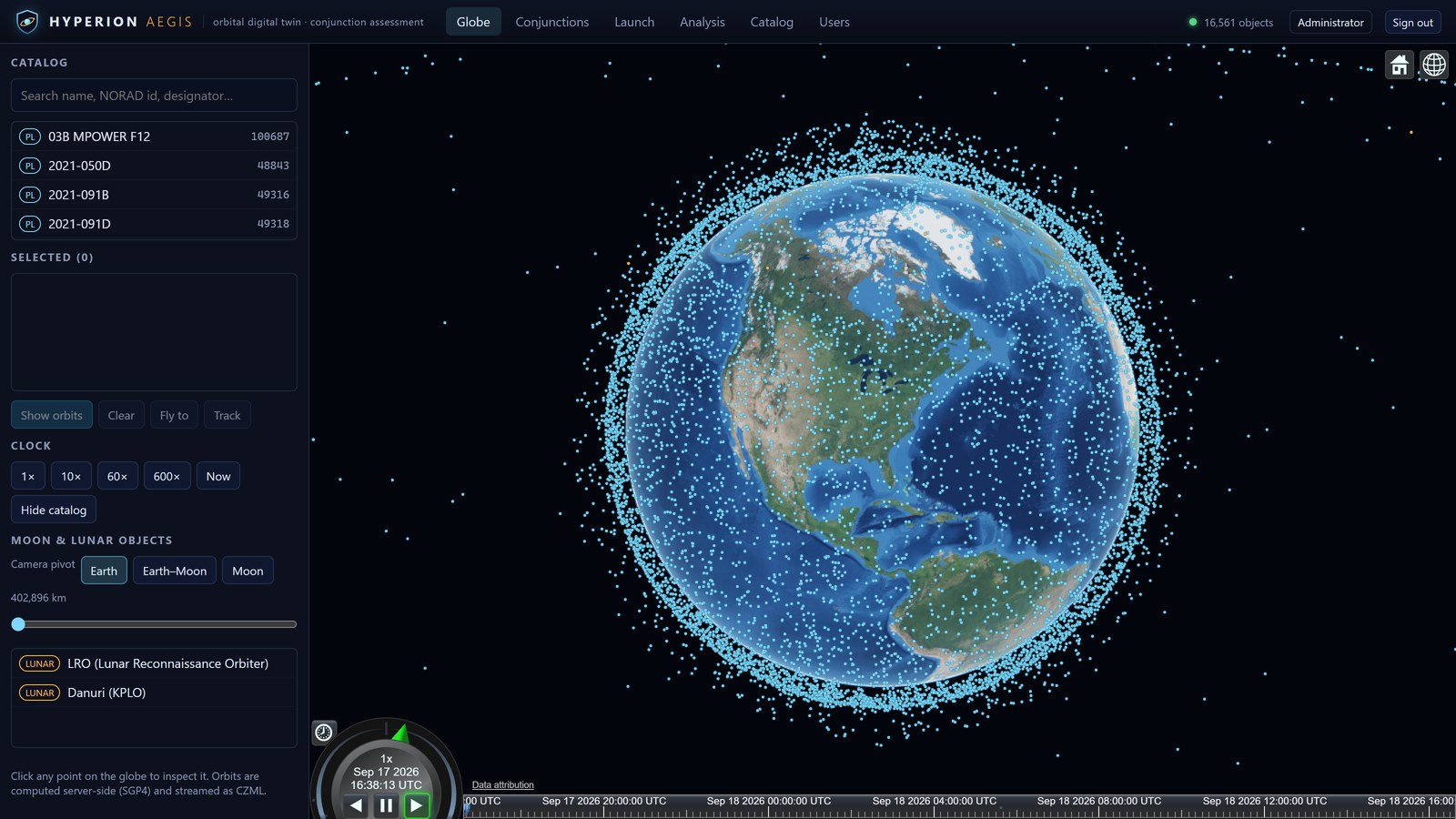
The same twin standard reaches beyond games: Hyperion Aegis renders its objects from the shared model library, at true scale, on a web globe and in Unreal.
Digital twins, in a game
A digital twin here is a product's counterpart in the other realm. A physical object whose purchase grants the same item in the game. An in-game item you can also hold. One thing, existing twice.
That only works if there is one model, so there is. Every asset has a single master — the FBX the game itself uses — and every other form is cut from it one way and never back: a web preview for the browser, an AR copy for phones, a print file in millimetres. The master is never published.
Everything is authored to one unit convention, where one unit is one centimetre. That is why a product page can tell you the real dimensions of a thing, stand it on your desk through your phone's camera at the size it will actually be, or show it to you in a headset — and why the item you then carry in game is that size too.
- Real-world scale everywhere, from concept art to the persistent world
- Switch realms on the product page — see the object as it is, and as it appears in game
- View it in AR on a phone, or in an immersive headset session, before you own it
- Some purchases include the 3D-print file; the original geometry stays protected
From an idea to a thing you own
One pipeline carries an asset from concept to the game, the store and the shelf
Concept
The design is settled before the model: a multi-view concept set of one idea, reviewed and pinned, so the geometry that follows is of a decided thing.
Model and review
Versions are tracked against the same task the rest of the work uses, with review notes pinned to the version they were written about — draft, revision, accepted.
Publish the master
An accepted asset becomes one library model, carrying its creator and its provenance. The FBX master is the game asset and the source of everything else.
Derive and deliver
Web, AR and print copies are cut automatically and tracked, so the store, the phone, the headset and the game all show the same object at the same size.
What we are building
Titles in the Argentoverse
Project Argento
A large-scale multiplayer world on Unreal Engine 5, built on a modified engine for replication at scale. Persistent characters, a real economy, and environments authored to the same twin standard as everything else we make.
Project pageStruggle Run
An infinite runner for Android and iOS featuring the characters of The Struggle Zoo. It shares the same account and the same inventory — cosmetics and currency earned on a phone are not stranded there.
Struggle to Match
A mobile match puzzle game in the same universe, and the proving ground for instant delivery: items bought for it arrive in the player's account and redeem without a round trip through a game server.
Everything above is in active development. We would rather show you a build than a percentage — ask us for a look.
The same discipline, either side of the line
The twin standard, the model pipeline and the service plane behind these games are the same ones behind our simulation and C4ISR work. A game that has to keep an economy honest across three clients and a platform that has to keep an operational picture honest across a watch floor turn out to need the same things.